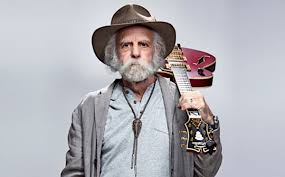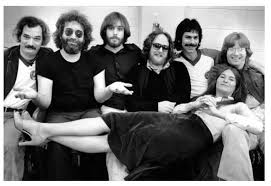
robert hall weir 1947-2026

well, i had good intentions on being more productive on this site for 2026, but this was really not the way i wanted to get things started. i was finishing up cleaning up after dinner saturday night when i started getting texts from friends and readers sharing that bob weir had passed away. now, a few months ago i also had a few texts sent my way that he had suffered a stroke overseas, but after a few internet searches that turned out to be a false flag.

unfortunately, this time was different. unbeknownst to me he had been diagnosed with lung cancer last summer. reports say that he had ‘beaten’ that, but apparently the cause of death was from complications from that process which had affected his lungs. so, it was a bit of a shock last night when i got the news.

now, there is already a ton of ink being spilled on tributes, rightly so, to this amazing man and his career. i already know all of that (i have over a dozen books on the grateful dead in my music library downstairs), and you can do your own searches for those tributes.

instead i am going to share my personal thoughts on the grateful dead and bob – a look into the past and then some thoughts on where we go from here.

for over forty years i have been a fan of not only the grateful dead, but the various members over the years, and the post jerry iterations that have come and gone since 1995. they have been a large influence in my life in regards to my musical interests. it is easy to say that a person might be a ‘deadhead’ if they are big fans of the band. but i think that once you get inside that world there are different factions. one stereotype is the 60/70’s hippy stage where many went on tour relentlessly and with much devotion, and living the lifestyle of being on the road with them. that lasted about 6 weeks for me when i was in college – and i learned quickly that i was not cut out for that. i started to lose interest in the band overall in the early nineties when i felt that their live shows were not as consistently good any more, and i turned my focus on to other rabbit holes – early jazz, bluegrass, etc.

for some reason – and i cannot tell you what brought me back into the fold – i started getting back into the dead. if i had to guess it was about 25 years ago when i first started seeing either the bootlegs of shows or the early ‘dick’s picks’ releases in a music store i frequented at the time. i had a limited collection of live shows on cassette that i had put together over time. but the ones i began finding were on cd and much better quality than what i had. i know the first bootleg cd version i got was the barton hall/cornell show from may of 77. between the advent of the internet and the fact that the band had hired an archivist to begin selectively and strategically releasing high quality recording of their vast catalogue – i started collecting again. and i have not stopped since.

if people ask me who my favorite artist or band is, i don’t really have a definitive answer. but i think it is fair to say that the grateful dead would easily be in the top ten. but if i keeled over today and a person valuing my estate would look at my music collection, they might look at how many different recordings i own overall and surmise that they were far and away my favorite band – just on the sheer volume of what i have added over the years.

the grateful dead were unique in many ways – but two things that stand out are that they recorded nearly all of their live shows, and they never played the same show twice. there are different estimates, but by most accounts it is thought that they played upwards of 2500 shows in their thirty year career. it is also estimated that they have recordings – or at least partial versions – of around 2200. that makes them very collectible, if that is your thing. i currently have 328 of those shows on my hard drive, so over 10% of all their shows. so, if one of those versions of being a ‘deadhead’ is just the sheer love of their live shows and my willingness to keep wanting to hear more – than that is me.

the current archivist puts out four new shows each year, and one box set. so i expect that part of my journey will continue.

as far as any live shows being played moving forward by any living members, i think that is a phenomenon that may be going away soon. it is only the drummers now. i think bobby was a key lifeforce in keeping the torch going, especially with dead and company recently. my personal opinion is that if that band were to decide to keep going without him, they should change the name. not much ‘dead’ left, and all company.

‘that’s otis’

in regards to bobby, i will admit that for a long while i had a mixed opinion about him. a very good singer if he stayed within the rails, but often he would push the envelope and scream and yell and make you cringe a bit. plus he was a bit of a showman compared to the others on stage.

but he also penned some of the more iconic songs that they are known for. and if you look at setlists over time it was fairly normal that – outside of the covers they did – he and jerry would trade off doing their songs.

but one aspect of his career is one that i do not think he got enough credit for in the history of rock and roll. he is easily one of the best rhythm guitarists that ever lived. there are endless lists over time as to the ‘best guitarists’, but that is always a ranking of lead guitarists – like jerry. bobby understood the power that rhythm guitar could add to the overall sound, especially in an improvisational setting like the dead were often in. he was a big fan of 50/60’s jazz, and listened to not only the preeminent guitarists in that genre, but also the keyboard players. all of the band were fans of mccoy tyner, and bobby has said that he was often trying to emulate what mccoy did with his left hand on the piano, as opposed to the lead part on his right hand.

i grew more fond of bobby over the years as i began to appreciate that part of him more, and he also seemed to be the surviving member that cared the most about their legacy and keeping that flame burning. another turning point was watching a documentary about him from ten years ago – ‘the other one’. the name comes from a song he wrote early on that was a staple of their live shows, but also the fact that he was always the number two guy behind jerry.

i watched it again last night, and if you are looking to invest about 90 minutes of your time, it will show you much of what you should know about him.

there is a big hole in the dead world today. he will be missed.

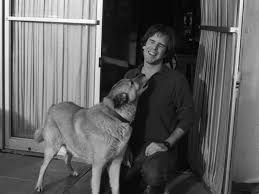
* if you listen to ‘ripple’ on their ‘reckoning’ album, jerry says ‘that’s otis’. bob’s dog had walked on stage. i named my first dog after him.

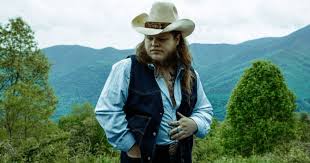
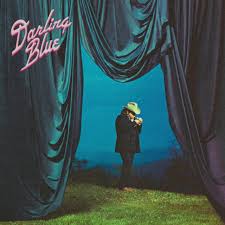
marcus king band – ‘darling blue’

as i have probably mentioned before, my process for vetting new music is thus: once i have found something i think i may like and have burned it to my collection, i will listen to it all the way through at least once, usually in my drive to and from work. one round trip usually takes care of the length of most new releases these days. if it intrigues me (or if i am too lazy to find something else), i usually give most a second chance. i then start to ponder whether this is something i want to write about and share. i would say less than 20% ever make it to a full post.

but every once in a while there will be a new offering that i just find damn near impossible to get out of the rotation and out of my head.

this is one of them.

so if you are a regular reader of mine then we likely move in the same musical circles and i feel confident that it may have the same effect on you. just get it.

now, a fair warning is due. if you are familiar with marcus, then you are probably thinking this will be a blues guitar dominated collection, with meaty guitar licks throughout. but you really don’t get that here.

what you do get is a tremendous variety of genres and vocal styles, and some really catchy lyrics and harmonies. all fourteen songs are completely different. i can’t say i have a favorite, but i can tell you that there isn’t one that i can point to and say maybe that should have been left off.

he has a few friends help out, including jamey johnson, kaitlin butts, billy strings and noah cyrus.

for a little background, he has conquered some demons that had threatened his life and career, and there are numerous references to that throughout. he has also found a new true love and several songs seem to be inspired by that. ‘darling blue’ refers to the blue ridge mountains where he is from, and so that is also a common theme.

i have added a few sample videos below, just to give you a flavor of the variety.

this next one reminds me a bit of jason isbell.

mrs. redeyegin also loves this album, and we both like the motown sounding ‘carolina honey’. that video is well done but maybe not suitable for a family audience. just sayin’.

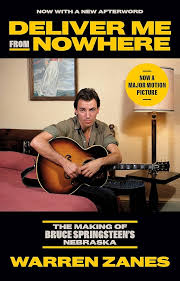
‘deliver me from nowhere’ – warren zanes

this is the book that the current movie by the same name showing in theaters around the country is based on. the movie looked interesting and my friend who suggested the book to me only a week or two before the movie was debuting assured me that it was a pretty quick but very good read. he was right on both accounts.

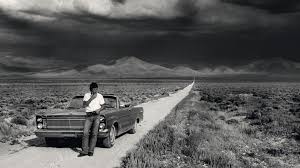
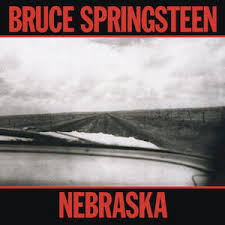
the premise of the book is to do a deep dive into the making of his album ‘nebraska’. it doesn’t spend a great deal of ink on the rest of his career – there are plenty of other books that can help you there. the author is of the impression that this is his most important work in many ways, and makes a very good case throughout the book. bruce had just had his biggest commercial success so far in 1980 with ‘the river’, and was under some pressure after the tour promoting the album to follow up with another release.

but as the book and the movie make clear, bruce was exhausted from the tour, and on top of that was beginning to deal with some inner demons. he rented a place in a small town in new jersey with the idea that he would buckle down and start writing some songs. his roadie set him up with a fairly new tape machine that could add four track recording onto a standard cassette tape you could buy in a drug store at the time.

the solitude led to an outpouring of creativity but also a wellspring of emotions revolving around his troubled childhood in freehold, new jersey, which was just down the road. i will let the book and the movie flesh out more of the details here, but the songs that he was writing here were starting to break down into two categories – a handful of tunes that were more on the possible commercial side (and many would eventually show up on the the ‘born in the u.s.a’ album), but then at least a dozen that were much darker in material and characters.

it is this latter batch of songs that would eventually be the basis for the ‘nebraska’ album. and the album would eventually use the tracks he made on that cassette tape in the bedroom of that rental, crude as they were. against great market pressure, bruce was adamant to release it as is with no marketing, tour, or press.

i am not the biggest bruce fan around – i was into him quite a bit early on, but started to lose interest in the late eighties. but i do think that ‘nebraska’ is certainly one of my favorites, and so the story was very compelling to me.

i finished the book this morning, and went to see the movie in the local theater this afternoon. i was glad i read the book first, but also glad to see the movie. i think that it also helped that i relistened to the album all the way through about three times while reading the book. the book helped to prepare me for a lot of the material and topics in the movie. i think that the movie was well done – emotional and well acted. obviously there is a lot in the book that did not make it to the big screen, and there are parts in the movie that are not in the book (probably the biggest one being a focus on his relationship to a local waitress at a diner in town). i don’t think you need to read the book to appreciate the movie. but if you enjoy the latter, maybe you might be interested enough to circle back on the book.

hat tip to kevin for the suggestion.

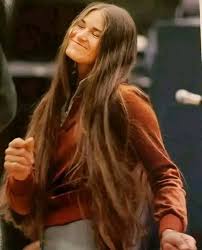
donna jean godchaux 1947-2025

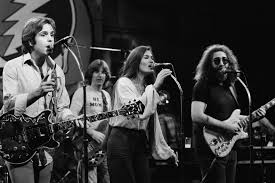
the grateful dead family lost another one yesterday, as donna lost a long battle with cancer in nashville. she was one of the vocalists in the band during some of their peak times. her husband keith joined the band in late 1971, and she started singing with them right before their famous european tour in 1972. so her tenure included that tour, their high musical peak of 1973 (in my opinion), the wall of sound year of 1974, the monster year of 1977 and then early 1978. donna and keith both got caught up in the hard core living on the road, and by late 1978 the wheels started to come off. they left by mutual decision with the band in very early 1979.

she got her start in the music business as an in demand session singer in muscle shoals, alabama. during the sixties she sang on many well known records with famous artists. she contributed to percy sledge’s ‘when a man loves a woman’ as well as elvis’ ‘ suspicious minds’ and ‘in the ghetto’. other artists she worked for included duane allman, cher, neil diamond, and boz scaggs.

in 1970 her and keith headed out west and settled in california, specifically san francisco. they became fans of the dead after seeing them a few times. the story goes that they went to see a jerry garcia band show as well, where she approached jerry and said “this is your new keyboardist” (current keyboardist pigpen’s health had been failing). jerry seemed intrigued and gave her his number. soon he gave keith tapes of recent shows for him to take home so he could learn them for an eventual tryout. and the rest is history.

after leaving the grateful dead her and keith released an album together, and were making more plans when keith died in a car accident in 1980. she remarried and kept her musical career going well into her sixties with various bands and guest appearances on various side projects with members of the grateful dead.

there are those who felt that her vocal style in live shows sometimes went off the rails (and i don’t necessarily disagree with that notion). but my take is that she was essentially a studio musician whose pipes were not really meant for loud live music. she had to compete with a band that had a propensity to ratchet it up, and her range wasn’t really suited for that.

but overall i think she did great duets with bobby and especially jerry. if you want to hear her at her best with them, i would have you go and listen to the shows they did in the summer of 1976, after they came off their nearly two year hiatus. her voice sounds fresh and comfortable with the surroundings.

as her representative and the dead’s long time publicist said in the family’s announcement today,

‘may the four winds blow her safely home’.

catching up

hope all of you are still out there. i had taken a leave of absence from writing posts for my blog. i have no other reason other than ‘life gets in the way’. i have been listening to plenty of good new music lately, seen a few great shows, but also read a number of good books, and so i thought i would start with the latter, especially since the last one really got to me.

as most of my loyal readers know, i am a huge fan of john prine. i think one of the best pieces i ever wrote was around the time he succumbed to covid in the summer of 2020. that hit hard. i still remember putting on a playlist of his and made a few ‘handsome johnnys’ – his favorite cocktail, vodka and ginger ale – and sat on my back porch for quite awhile and tried to figure it out. never did. which brings me to my first book review. the rest are in no particular order.

living in the present with john prine’ – tom piazza

this book essentially chronicles the last few years of his life. after a chance meeting with the author, they seemed to hit off real well. sometimes you meet people like that where you know right away that this is a person i really connect well with, and the feeling seemed to be mutual. john started to reach out to him to spend some time together, including an early chapter that details one of their early bonding sessions where they take john’s newly acquired cherry red 1977 coupe de ville and hit the road to florida. there follow a number of more travel sessions and eventually, with wife fiona’s authorization, discussions start turning to writing a memoir. tom is also a musician (along with being a writer) from new orleans. interview sessions usually involved talking about john’s past while also playing various songs they both liked late into the night.

when people think of john prine they almost always are thinking about his musical legacy, and that is important and should be remembered. this book goes into that a bit, but more importantly it reveals the man behind the music. so if you are a prine fan, that is why you should read this. in the final chapter, after he has died, tom states that he could not listen to john for a whole year, and then once he did he states that it helped bring him back into the present. i don’t often quote the books i review, but let me just share his last paragraph:

‘listening to john, singing along with him or with each other, we can share time, see and hear the same thing, walk the same road for those minutes. we generate a current then, make a moment that transcends the moment, even if only briefly. so the words ‘the end’ don’t really seem to fit here. john’s spirit – everything that is just beyond the reach of words – remains. we are so lucky that, by hearing his voice or singing his songs, we can summon that spirit. living, while we can, in the present.’

i will drink a handsome johnny to that.

‘the name of this band is r.e.m.’ – peter james carlin

this is not an ‘authorized’ biography of the band, as none of the members participated in its writing, but it is well researched and treats them honestly and fairly. as usual it starts looking at their individual childhood experiences and follows them through until the band finally calls it quits in 2011.

i was a fairly early adopter of the band. ‘murmur’ was their first full length album, out in 1983, and even though it took awhile to get national airplay, i can tell you that it was very popular at the campus parties i went to at that time. i know i got hooked, and also sought out the earlier ep, ‘chronic town’. i had been absorbing all kinds of new music since leaving my small midwestern town and heading to college. but this band was different. not punk, and not pop, but a curious mixture of authentic passion and energy. that fact that you couldn’t understand the lyrics, especially in the early years, just added to the alure.

as is my wont, when i get into something i tend to go down rabbit holes, and this was no exception. as i was going through the part of the book where they were recording and touring on the aforementioned albums, i found myself dusting them off and listening all the way through. obviously there were a few cuts that made their way to greatest hits albums and my playlists, but to actually sit down and attentively listen cover to cover was something i likely had not done in nearly forty years. it all came back to me very quickly.

i then started listening to their next 5-6 albums all the way though as i would drive to and fro from work, until i got through ‘automatic for the people’, which is the last album of theirs i really dug my teeth into.

there is a chapter nearer to the end of the book that the author breaks down the overall fanbase to three categories. the first is what he refers to as the ‘murmerers’, people who got on board early and then dropped out not too far after when they got a little more popular and thought they sold out. the next group picked up slightly after that and rode their initial rise to some national recognition, and then the next group that grabbed on when they started having number one hits and albums and also generated an international following.

i might be a hybrid of the first two groups, as i was there at the beginning, kept up with them for a few years, and then slowly moved on at some point, for no good reason i can remember.

so if you are an r.e.m. fan, this might be a good read for you. but at the very least pull out ‘murmur’ and sit down so you can listen all they way through, maybe with a little volume.

‘dylan goes electric’ elijah wald

supposedly the book the recent movie ‘a complete unknown’ was based on. a very thorough accounting of the people and events that lead up to one of the defining moments in rock history – the evening at the 1965 newport folk festival when bob dylan brought out his band with electrical instruments and stunned the audience. even though i have read a number of accountings of the affair over the years in various books, nothing compares to this. in fact, i think you have to be a pretty big fan of both bob and the folk scene of the early sixties to really appreciate this book. i say that because it gets pretty granular as it builds for over 300 pages before it gets to the final scene. i learned a lot, but i found myself speed reading a few times to keep going. maybe go see the movie first (if you haven’t already).

‘heartbreaker’ – mike campbell

an autobiography by tom petty’s lead guitarist. mike was there from the beginning to the end, and was really petty’s most reliable friend for nearly all of his life. this is a remarkable story and if i would recommend one book off this list to start with, this would be it. a hardscrabble beginning to his life, and then a long period of time of playing in various bands around the florida and georgia area before they finally started to make it big after they moved everything out west to california. mike was a big part of the songwriting over the years. so if you are a fan of petty (and really, who isn’t), like guitars, and tales from life on the rock and roll road, this is a great read. his relationship with dylan and harrison was pretty profound.

he is a good writer and is honest with himself. accordingly, he spends a good deal of time on his personal life, including his marriage to his wife of fifty years. he seems like a pretty good dude.

i am not doing it justice. add it to your library.

‘richard manuel: his life in music, from the hawks and bob dylan to the band’- stephen t. lewis

richard was a seminal member of the band, one of the most important bands in rock and roll history. this is a very deep, loving, and honest portrayal of the man. his keyboard playing was obviously very important, but he is mainly known for some of the most soulful singing ever. the band had a unique vocal blend, of which you could argue he was the foundation. this book takes us through his childhood in canada and his early high school bands, to joining ronnie hawkins and the hawks, then being asked to join dylan’s early electric band with the rest of the hawks. after dylan invited the hawks to join him in woodstock after that tour, they eventually got around to forming their own band (‘the band’), and the rest was rock and roll history.

the latter third of the book covers the highs and lows of the band’s career, and the divisive forces that eventually drove them apart. i already knew most of this story, but the author did a lot of research on all of his life and i did learn quite a bit. i am a sponge for anything i can learn about this band, and this is a welcome addition to my catalogue.

a truly talented and remarkable individual, who unfortunately did struggle with insecurities and doubt that eventually did him in. he left us too early.

drums and demons – the tragic journey of jim gordon’ – joel selvin

if you are in a group of fairly knowledgeable music fans and ask the question ‘who are the best ten rock and roll drummers ever?’, i can be pretty certain that no one will say ‘ jim gordon’. but i would, and so would eric clapton. jim gordon became a staple studio drummer as a part of the ‘wrecking crew’ in southern california studios in the sixties, and would be on so many songs that you would know. among them being songs by the beach boys, the monkees, sonny and cher, the ronettes, the byrds, george harrison, john lennon, frank zappa, steely dan, merle haggard, and so many more that it defies belief when you read the partial summary of songs he has played on at the end of the book. he was eventually asked to join a few bands you may have heard of, like derek and the dominoes (he wrote the coda at the end of the title track ‘layla’). he was on joe cocker’s ‘mad dogs and englishmen’ tour. he basically was on nearly everything clapton did in the mid seventies.

he was not a flashy drummer, just one so technically competent and rock steady that he developed a reputation for being exactly where he was supposed to be on the down beat, all the time. as clapton has said of him (and ginger baker), he ‘had time’.

he had the rock and roll world in his hand – until he didn’t. the excesses of the industry and fame, along with his eventual descent into madness due to his progressive mental issues, caused him to spin out of control and eventually be shunned by nearly everyone. he went completely insane in the end and violently murdered his own mom. he spent the rest of his life in prison.

obviously a depressing end, but if you like you some rock and roll history, especially clapton at his low period and the crazy aforementioned mad dogs and englishmen tour, then you might want to pick this one up.

‘doc watson: a life in music’ – eddie huffman

if you are not familiar with doc watson, one of the greatest folk and bluegrass guitarists that ever lived, then first of all you should at least acquaint yourself with him (and his son merle) and his story. but this book is probably more intended for folks who are at least somewhat familiar and would like to do a deep dive into both his personal and artistic life – because both are remarkable. an incredibly well researched book, it takes you from beginning to end on his journey, which was both hard fought and also profound. there are many artists who are considered legendary in the world of folk and bluegrass, but no one was more influential than doc, in my opinion (and the author’s).

it gets pretty granular, so be prepared for that. but i am sometimes asked ‘if you could go back in time, who would you want to see live?’. i have a few doc issues in my library, including some with son merle. but after reading this and watching videos i found online, i am pretty sure i am adding him, in his prime, to that list.

‘my effin life’ – geddy lee

an autobiography from the bass player for the band rush. you are probably saying right about now ‘ wait, mr. redeyegin is a rush fan?’.

yes i am, or at least i was big time when i was in high school. it helped that i was a drummer, and neal peart, their drummer, was one of my heroes.

i stopped listening to them after i went to college, and so the middle part of the book describing making their later albums and world tours was probably the least interesting to me. but i found the rest really enjoyable, or at least very educational. geddy is a great storyteller and tells his tale in a self effacing manner. his descendants were survivors of the holocaust and emigrated to canada where they were able to provide him with a decent suburban life. but being jewish caused him to be rejected by many in his high school, and he sought refuge in music. obviously the next part detailed him meeting the other members of the band and then grinding their way to stardom.

the latter part of the book spends a fair amount of time on neal’s tragedy of losing his daughter in a car crash, and then his eventual struggle with brain cancer. but i found the whole thing to be an enjoyable read and i got through it pretty quickly.

‘loud and clear: the grateful dead’s wall of sound and the quest for audio perfection’ – brian anderson

a very thorough accounting of the history of the grateful dead’s dedication to the quality of the sound that was emanating from their pa system. the band does not get enough credit for the constantly innovative approach that they took – from the early reengineering of existing speakers and amps in the sixties to the eventual monstrous masterpiece, the ‘wall of sound’ in 1974. the band plowed much of their profits back into the development of these systems – and the stage crews and technicians that would be needed to put it all together – for all of their 30 year career. as the author makes clear, there may be no other band that did more to develop the technologies and concepts that revolutionized the live music industry and are still used to this day. it also added a stress level to individual shows when the shit didn’t work. he also chronicles – to an extent i have never seen before – as to how the magnificent ‘wall of sound’ was the cause of their downfall in late 1974, and led to the hiatus the band took till the summer of 1976. as a warning, this gets really technical at times, and i think you need to be a pretty hard core head to really appreciate it.

thanks for staying with me, and i promise there will be more soon.